
Once you understand that prana is a real, workable force rather than a vague word for “energy,” the natural next question is: where does it actually go? The classical answer is the Pañca Prāṇa — five vayus, five directions the one life force moves in, each governing a different function of the body and mind. Knowing them turns “I feel off” into something far more useful: a location.
Prāṇa Vāyu — the inward current
Governing inhalation and the intake of everything food, air, sensory information this is the vayu most active in the chest and head. When it’s steady, focus comes easily. When it’s scattered, so is your attention; you’ll recognize the feeling of trying to concentrate through a mind that keeps reaching for the next input.
Apāna Vāyu — the downward current
This vayu governs elimination and release, physically and otherwise. A body that struggles to let go digestively, or in the more emotional sense of holding onto what should have already passed is often a body whose apana has weakened. Grounding, downward-moving practices are how the tradition restores it.
Samāna Vāyu — the centering current
Seated at the navel, samana manages digestion and assimilation not just of food, but of experience. It is the vayu that turns raw input into something the body and mind can actually use, which is why a disturbed samana often shows up as both poor digestion and a mind that can’t seem to process what’s happened to it lately.
Udāna Vāyu — the rising current
Moving upward through the throat, udana is associated with speech, growth, and in the tradition’s own language, the capacity to rise toward higher states of awareness. It’s the vayu invoked whenever a practice asks you to lift through the chest and crown rather than collapse into the body.
Vyāna Vāyu — the pervading current
The others move in a direction; vyana simply spreads, distributing prana and coordination through the entire body at once. It’s what makes movement fluid rather than segmented, and it’s usually the last vayu to strengthen, a sign, in most students, that the other four are already working well together.
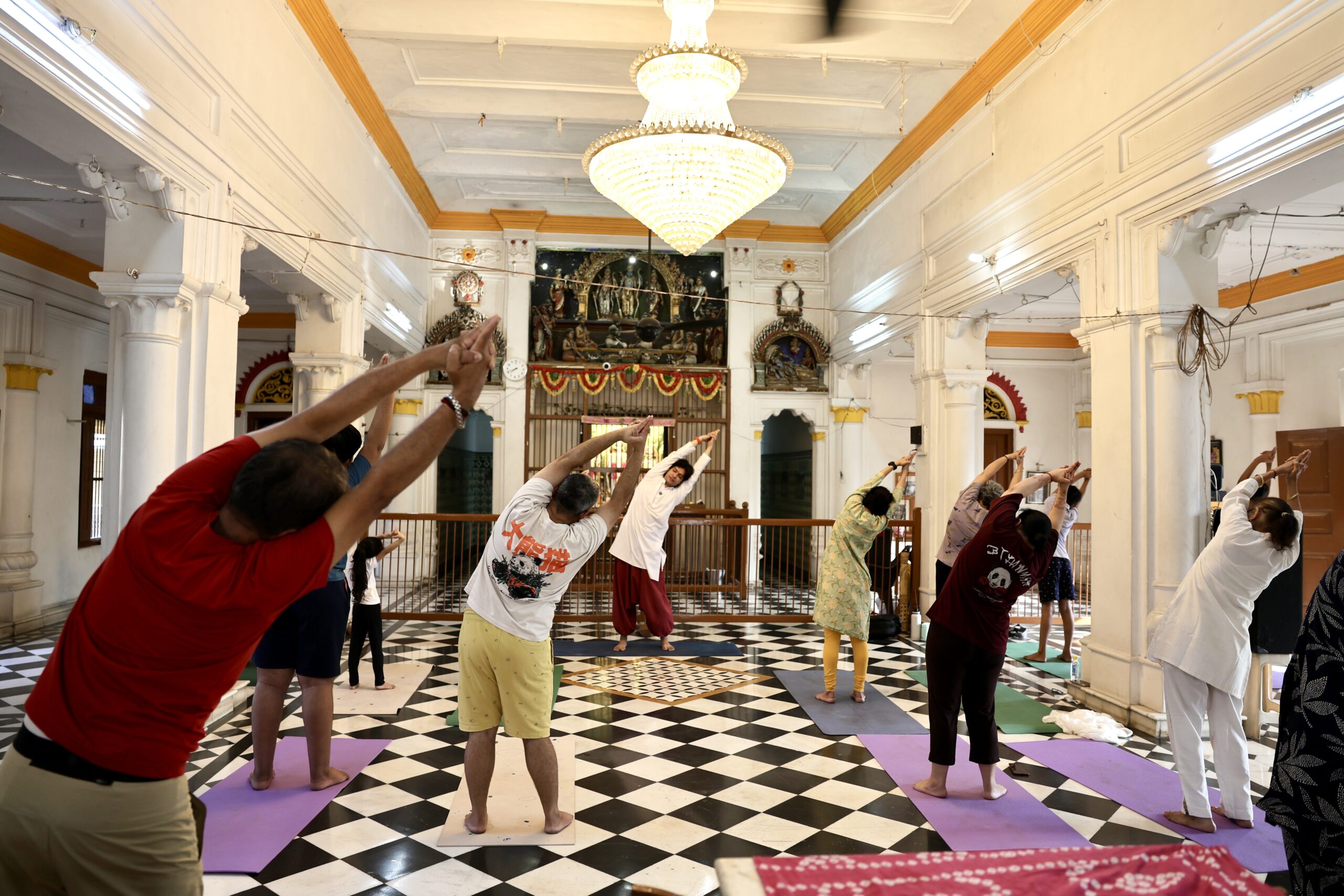
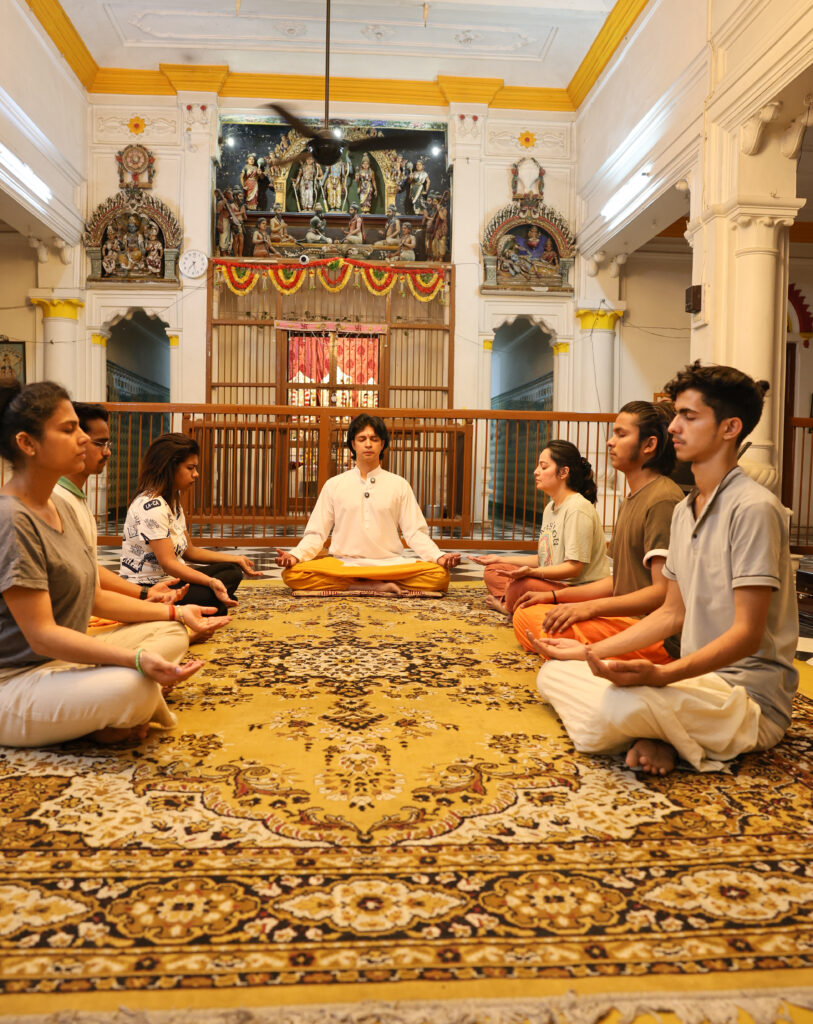
None of this is meant to be memorized and left alone it’s meant to be felt. The clearest place to start noticing your own vayus in motion is a guided beginner’s pranayama class, where a teacher can point out, in real time, which current in you needs the most attention.