
Every town near a river has some claim to being peaceful. Rishikesh is the one that got called the Yoga Capital of the World, and unlike most tourism taglines, this one has an actual paper trail behind it ashrams, teachers, and one very famous visit that changed how the West saw this practice for good.
A place chosen for a reason
Rishikesh sits where the Ganga leaves the Himalayas and reaches the plains — cold, clear, and, in the tradition’s own terms, purifying. Ascetics and teachers had already been drawn to this stretch of river for centuries before it had a name recognizable outside India; the geography did a great deal of the work before any institution did.
The ashrams that built the reputation
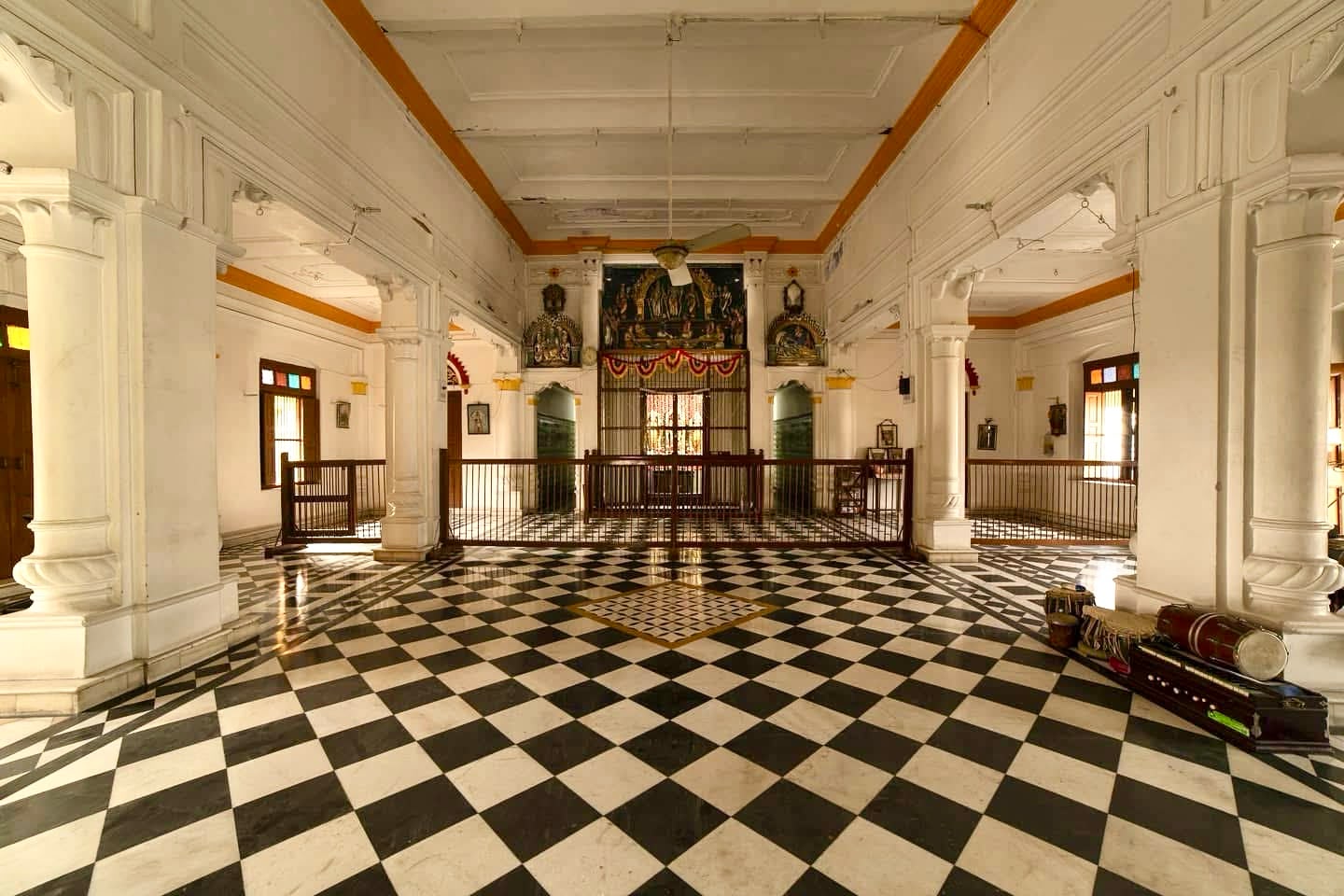
In 1936, Swami Sivananda founded the Divine Life Society, teaching an integral yoga meant for householders and travelers as much as renunciates, a decisive step in opening the practice beyond monastic walls. A year earlier, in 1937, our own ashram at Pushkar Mandir was established by Swami Veer Raghavacharya Ji, and the practice there has continued, inside one family, without a break since. Rishikesh’s reputation was built by a handful of teachers making the same choice around the same years: keep the tradition intact, but open the door.
The visit that made the world notice
In February 1968, the Beatles arrived at Maharishi Mahesh Yogi’s ashram to study Transcendental Meditation. They stayed for weeks, wrote dozens of songs, and brought a level of global press attention to Rishikesh that no institution could have purchased. Western interest in yoga and meditation didn’t start that month, but it accelerated permanently and Rishikesh, already the place where several serious lineages were teaching, became the place people pictured when they imagined studying yoga seriously.
What the title actually means today
Rishikesh now holds one of the highest concentrations of yoga schools anywhere in the world which is exactly why the town rewards some care in choosing where to study. A name near a temple isn’t the same as a lineage; ask how long a school has been teaching, and under whom. Ours has answered that question the same way since 1937: one family, one ashram, one continuous line of teaching.
Read more about our ashram at Pushkar Mandir, or see what planning a visit to Rishikesh actually involves.