
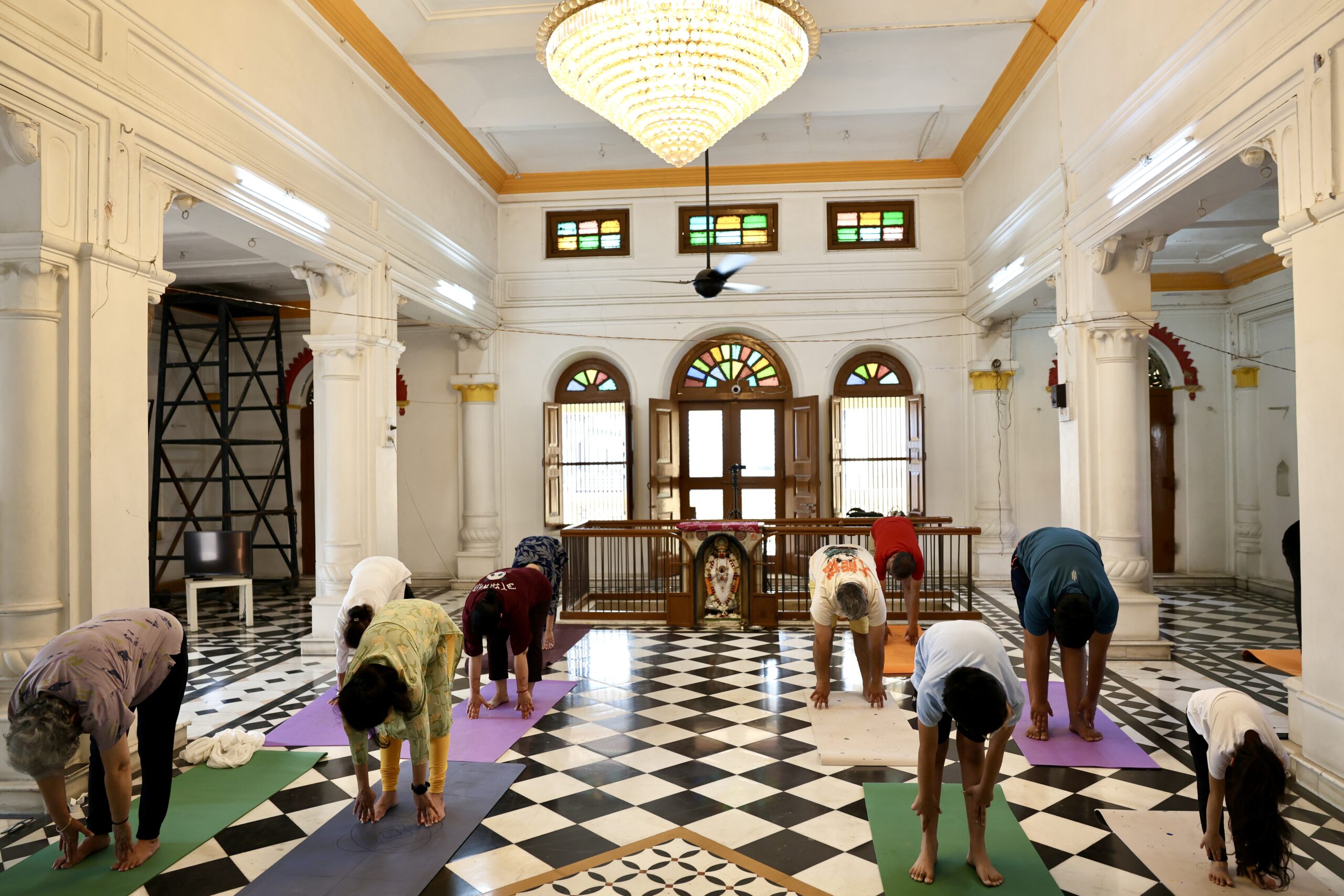
Somewhere between yoga leaving India and yoga arriving in a strip-mall studio, a word got quietly swapped. What was designed as a complete science of the mind became marketed as a workout for the body and most people who’ve only ever taken a gym class genuinely don’t know there was ever anything else on offer. There was. There still is.
Exercise trains the body. Yoga was built to train attention.
A workout asks a muscle to work harder. A posture in the classical tradition asks something different of you: hold this shape, and notice what your mind does while you’re in it. The asana is almost incidental a stable enough position to make the noticing possible. This is why the same forward fold taught two ways can feel like two completely different activities.
The body was never the whole target
Patanjali’s classical eight limbs of yoga spend exactly one limb on posture. The rest concern ethics, breath, withdrawal of the senses, concentration, meditation and, eventually, absorption. A studio that only teaches the one limb isn’t wrong, exactly it’s just teaching an eighth of the subject and calling it the whole thing.
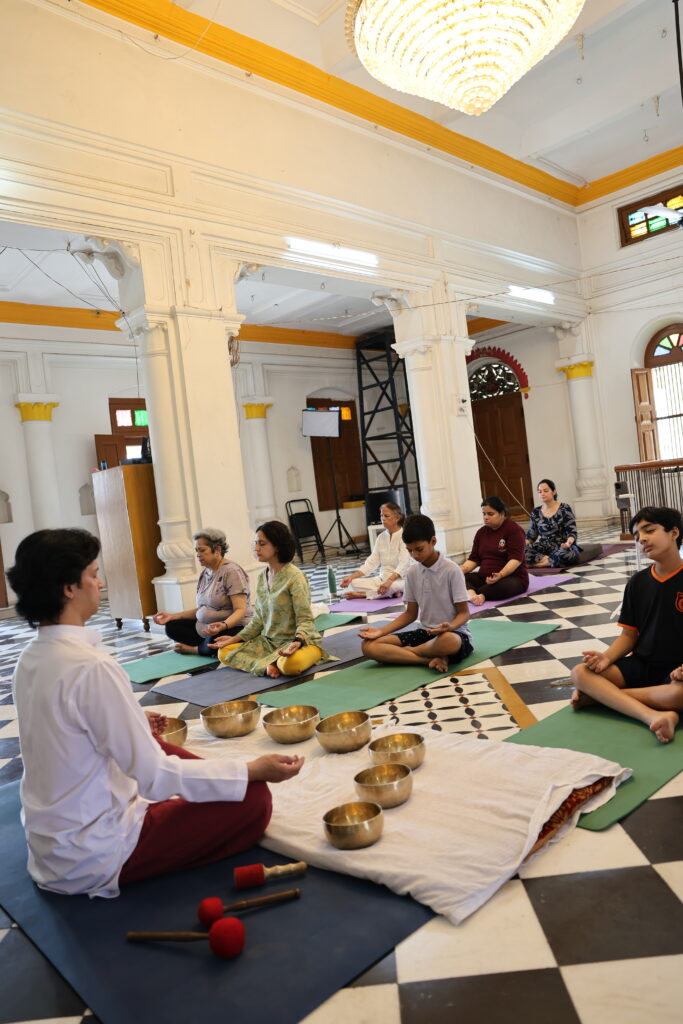
You can feel the difference in a single class
Students who arrive here from a fitness background usually notice it by the second or third day: the pace is slower, the instruction cares more about your breath and your range of motion, and the class ends in stillness rather than a cooldown stretch. Nothing about the body is neglected strength and flexibility both improve but they arrive as side effects of the actual work, not as the point of it.
Both things can be true
Yoga is physical. It will change your body. That was never the argument. The argument is about where the practice is actually aimed and once you’ve tried the version aimed at the mind as much as the body, it’s hard to go back to calling it exercise. If you’d like to feel that difference yourself, our beginner Hatha classes teach the full practice from the first session, not a stripped-down version of it.